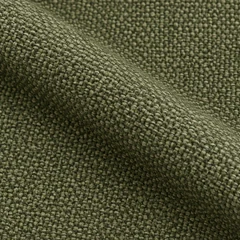
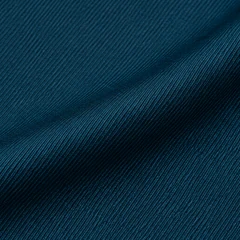
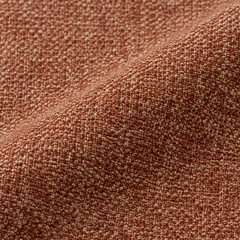
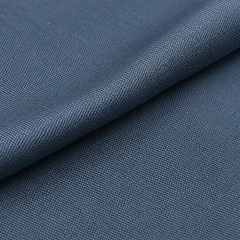
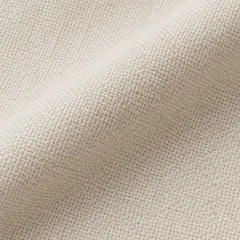
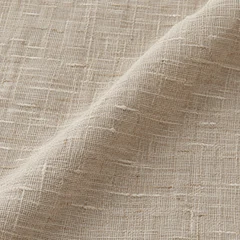
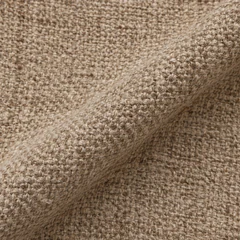
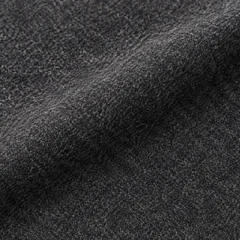
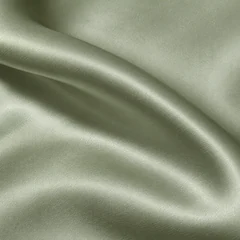
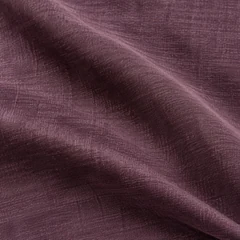
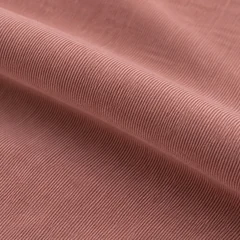
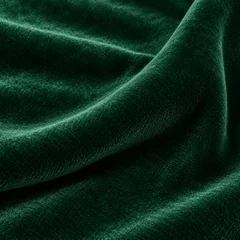
Choose a category or search for a fabric. Open a card for manufacturing, colour, applications and care.
No results. Try another term.
Fibres and blends
Fibres and blends
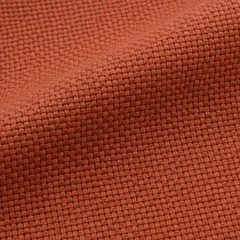
Acrylic fabric (PAN)
↗
Images present texture combinations. Appearance does not establish composition, resistance or availability.
Solution-dyed outdoor acrylic is an option for cushions and upholstery. Colour, texture, weight and performance vary by reference.
Manufacture · variants
Acrylic formed into fibres, spun and woven as canvas, stripes or jacquard; pure or blended.
How colour is added
Solution colouring adds pigment before fibre formation. Other grades are dyed later as fibre, yarn or fabric. Acrylic does not automatically mean solution-dyed; compare lightfastness.
Applications
Outdoor lounge cushions, sofas and chairs in a suitable grade. Parasol fabric must be intended for shading.
Care and selection
Follow washing instructions. Water repellency is not waterproofing; seams and construction matter too.
Images present texture combinations. Appearance does not establish composition, resistance or availability.
A fabric made from polyolefin fibres, often polypropylene. It is an outdoor option when the specific fabric has suitable protection and performance.
Manufacture · variants
PP is melt-extruded into filaments or fibres, then spun and woven: plain, textured or jacquard. Olefin is a broader family; check PP content.
How colour is added
Colouring the polymer before extrusion is common. Conventional PP has low affinity for normal dye baths; modified grades/blends may use other processes. Check UV stabilisation and tests.
Applications
Outdoor upholstery and cushions according to grade. Rugs need a floor-covering grade; upholstery fabric is not automatically suitable.
Care and selection
Check composition, fabric weight and cleaning guidance. Higher weight alone does not prove better performance.
Images present texture combinations. Appearance does not establish composition, resistance or availability.
A synthetic fibre found in indoor and outdoor fabrics. Blend, construction and treatments shape feel and performance; not all polyester is suitable outdoors.
Manufacture · variants
Usually PET melted and extruded into filaments or staple fibres. Smooth, textured or blended yarns can be woven or knitted.
How colour is added
Yarn/piece dyeing, commonly with disperse dyes; solution-coloured polyester also exists. Printing and sublimation are possible on compatible grades. The name alone proves neither solution dyeing nor outdoor suitability.
Applications
Indoor sofas, chairs, headboards and cushions. Outdoors requires a grade tested for intended light, moisture and care.
Care and selection
Check composition, abrasion resistance, colourfastness and cleaning for the selected fabric. Outdoor suitability depends on the specific fabric, not just its name.
Images present texture combinations. Appearance does not establish composition, resistance or availability.
Manufacture · variants
Recovered PET forms fibres through mechanical cleaning/remelting or chemical feedstock recovery. Filament, staple or blends with virgin material.
How colour is added
Like virgin polyester: solution colouring, yarn/piece dyeing or printing by grade. Recycled does not identify dyeing, performance or certification; verify documented content/origin.
Applications
Sofas, chairs, cushions and panels according to fabric tests. Outdoors needs specific UV, water and care assessment.
Care and selection
Check composition, abrasion resistance, colourfastness and cleaning for the selected fabric. Outdoor suitability depends on the specific fabric, not just its name.
Images present texture combinations. Appearance does not establish composition, resistance or availability.
Manufacture · variants
Synthetic polymer, usually PA6/PA6.6, melt-extruded into filaments/fibres. Smooth, textured, microfibre or blended yarns for woven/knitted fabrics.
How colour is added
Yarn/piece dyeing, often acid dyes. Solution-coloured and printed options exist. Check method and lightfastness, especially in blends.
Applications
Indoor upholstery blends and tested technical textiles. Check abrasion/stretch; nylon does not imply outdoor suitability.
Care and selection
Check composition, abrasion resistance, colourfastness and cleaning for the selected fabric. Outdoor suitability depends on the specific fabric, not just its name.
Images present texture combinations. Appearance does not establish composition, resistance or availability.
A familiar-feeling natural fibre, pure or blended. Upholstery composition and finish affect cleaning and wear behaviour.
Manufacture · variants
Seed fibre, ginned, carded and optionally combed before spinning. Plain weave, twill, velvet or knit, pure or blended.
How colour is added
Can be fibre-, yarn- or piece-dyed and printed. Coloured yarns create woven patterns; printing adds the design to fabric. Polymer solution colouring does not apply: cotton is not extruded.
Applications
Indoor upholstery and removable covers if washing is permitted. Check shrinkage and lightfastness.
Care and selection
Check composition, abrasion resistance, colourfastness and cleaning for the selected fabric. Outdoor suitability depends on the specific fabric, not just its name.
Images present texture combinations. Appearance does not establish composition, resistance or availability.
A natural fibre with characteristic texture and small irregularities. It can crease; blends change feel, stability and care.
Manufacture · variants
Stem fibres separated by retting and mechanical processing, then spun. Wet/dry spinning yields different yarns; pure or blended.
How colour is added
Natural colour, yarn/piece dyeing and printing. Blend components may absorb colour differently. Melange appearance does not identify one process; natural colour varies by batch.
Applications
Indoor sofas, armchairs, cushions and curtains according to construction. Heavy-use seats need abrasion and seam-slippage assessment.
Care and selection
Check composition, abrasion resistance, colourfastness and cleaning for the selected fabric. Outdoor suitability depends on the specific fabric, not just its name.
Images present texture combinations. Appearance does not establish composition, resistance or availability.
Manufacture · variants
Stem fibre separated by retting/mechanical processing and spun. Long or cottonised fibres, pure or blended.
How colour is added
Natural colour, yarn/piece dyeing and composition-compatible printing. Preparation/blends affect evenness and colour. Not polymer solution colouring.
Applications
Naturally textured indoor curtains/cushions. For sofas/chairs select upholstery tested for abrasion and seams.
Care and selection
Check composition, abrasion resistance, colourfastness and cleaning for the selected fabric. Outdoor suitability depends on the specific fabric, not just its name.
Images present texture combinations. Appearance does not establish composition, resistance or availability.
A natural fibre used in indoor upholstery, pure or blended. Structure, composition and finish define its feel; cleaning follows the specific fabric.
Manufacture · variants
Animal fibre scoured, carded/combed and spun. Woollen spinning gives bulk; worsted aligns fibres for smoother yarns. Woven/knitted, pure or blended.
How colour is added
Dyeing as loose fibre, combed top, yarn or fabric. Pre-coloured fibre blends create heathers; printing is possible. Fibre dyeing is not polymer solution colouring.
Applications
Indoor sofas, chairs, armchairs and upholstered panels. Wool content does not certify assembly fire behaviour; check required tests.
Care and selection
Check composition, abrasion resistance, colourfastness and cleaning for the selected fabric. Outdoor suitability depends on the specific fabric, not just its name.
Images present texture combinations. Appearance does not establish composition, resistance or availability.
Manufacture · variants
Protein fibre from cocoons, reeled as filaments or spun from short fibres. Can form taffeta, satin and jacquard; silk and satin are not synonyms.
How colour is added
Yarn/piece dyeing and printing using protein-fibre-compatible processes. Blends need compatibility with each component. Polymer solution colouring does not apply.
Applications
Indoor decorative cushions/curtains protected from strong sun. Seats only in suitable grades; consider specialist cleaning and water sensitivity.
Care and selection
Check composition, abrasion resistance, colourfastness and cleaning for the selected fabric. Outdoor suitability depends on the specific fabric, not just its name.
Images present texture combinations. Appearance does not establish composition, resistance or availability.
A regenerated cellulose fibre used in blends that can add lustre and colour depth. Check moisture behaviour and upholstery cleaning instructions.
Manufacture · variants
Cellulose chemically dissolved and regenerated into fibres, then spun and woven/knitted. Pure or blended; a different process from lyocell.
How colour is added
Fibre, yarn/piece dyeing and printing are possible. Some grades receive colour during fibre formation; not universal to viscose. Blend composition determines the process.
Applications
Lustrous indoor upholstery blends, cushions and curtains. Check moisture, staining and care for demanding seats.
Care and selection
Check composition, abrasion resistance, colourfastness and cleaning for the selected fabric. Outdoor suitability depends on the specific fabric, not just its name.
Images present texture combinations. Appearance does not establish composition, resistance or availability.
Manufacture · variants
Cellulose dissolved in solvent, extruded and regenerated into fibres. Industrial systems recover solvent. Pure/blended yarns for woven/knitted fabrics; unlike the viscose process.
How colour is added
Fibre/yarn/piece dyeing and printing by grade. Some cellulosic fibres integrate colour during production; verify the product, not all lyocell follows that route.
Applications
Curtains, cushions and soft-draping indoor blends. Seats only with a suitable grade; assess staining, moisture and care.
Care and selection
Check composition, abrasion resistance, colourfastness and cleaning for the selected fabric. Outdoor suitability depends on the specific fabric, not just its name.
Images present texture combinations. Appearance does not establish composition, resistance or availability.
A pile-surface construction, not a specific fibre. Pile direction creates shading and visual marks; fibres may include polyester, cotton or blends.
Manufacture · variants
Short pile made by pile weaving or knitting, cut or with loop areas. Cotton, polyester, viscose and blends produce different velvets.
How colour is added
Pre-coloured yarns, piece dyeing or printing according to fibre and finish. Pile direction changes perceived colour without necessarily indicating different dyeing.
Applications
Indoor sofas, armchairs and headboards. Consider pressure marks and pile direction.
Care and selection
Check composition, abrasion resistance, colourfastness and cleaning for the selected fabric. Outdoor suitability depends on the specific fabric, not just its name.
Images present texture combinations. Appearance does not establish composition, resistance or availability.
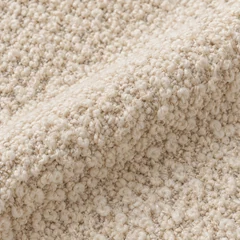
Looped yarn texture creating volume and relief. Composition varies; the bouclé appearance alone does not establish durability, cleaning or outdoor suitability.
Manufacture · variants
Looped yarns create relief in woven/knitted fabric. Wool, cotton, polyester and blends give open or tighter versions.
How colour is added
Fibres/yarns may be pre-coloured; some grades are piece-dyed. Heathers combine colours. Bouclé does not guarantee solution colouring.
Applications
Indoor sofas, armchairs, poufs and headboards. Assess snagging on objects or pet claws.
Care and selection
Check composition, abrasion resistance, colourfastness and cleaning for the selected fabric. Outdoor suitability depends on the specific fabric, not just its name.
Images present texture combinations. Appearance does not establish composition, resistance or availability.
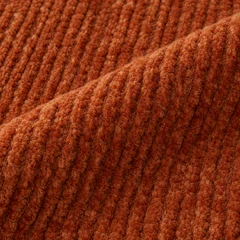
A pile-effect yarn used to create softly textured fabrics. Fibre content varies; pressure marks and pile direction depend on construction.
Manufacture · variants
Short pile segments held between core yarns form a bulky yarn, then woven/knitted. Cotton, viscose, polyester or blends are possible.
How colour is added
Pre-coloured fibres/yarns or piece dyeing if composition permits. Pile direction changes sheen; chenille identifies neither dye class nor solution colouring.
Applications
Indoor sofas, armchairs and cushions. Check shedding, seams and cleaning; outdoors only with expressly suitable grade.
Care and selection
Check composition, abrasion resistance, colourfastness and cleaning for the selected fabric. Outdoor suitability depends on the specific fabric, not just its name.
Images present texture combinations. Appearance does not establish composition, resistance or availability.
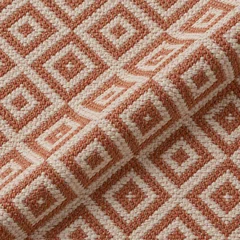
Patterns created through weaving, combining yarns and relief. Jacquard describes construction, not fibre or automatic outdoor suitability.
Manufacture · variants
Controlled warp yarns create woven patterns through interlacing with weft. Jacquard knits also exist; not simply a printed design.
How colour is added
Can combine coloured yarns, be tonal or piece-dyed. Processes depend on fibre. Jacquard pattern does not mean solution-dyed.
Applications
Chairs, sofas, cushions and panels; match pattern repeat/direction when cutting. Outdoors needs suitable composition and tests.
Care and selection
Check composition, abrasion resistance, colourfastness and cleaning for the selected fabric. Outdoor suitability depends on the specific fabric, not just its name.
Images present texture combinations. Appearance does not establish composition, resistance or availability.
Manufacture · variants
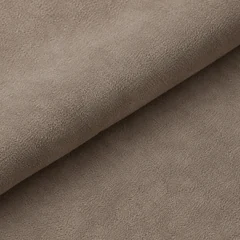
Very fine fibres, not a unique composition. Polyester/polyamide/blends, woven, knitted or nonwoven. Some suede effects use binder/coating; not natural leather.
How colour is added
Process follows fibre: e.g. disperse dyes for polyester, suitable processes for polyamide. Colour before/after fabric formation and printing possible. Microfibre proves neither solution colouring nor water-only care.
Applications
Indoor sofas, armchairs, headboards/cushions in upholstery grade. Check staining/pressure marks; microfibre cleaning cloth is not upholstery.
Care and selection
Check composition, abrasion resistance, colourfastness and cleaning for the selected fabric. Outdoor suitability depends on the specific fabric, not just its name.
Images present texture combinations. Appearance does not establish composition, resistance or availability.
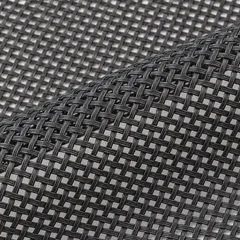
Open or coated fabrics used in seats and sun loungers. Fibre, coating and mounting tension define comfort and use conditions.
Manufacture · variants
Open/perforated woven or knitted fabric. Some use PVC-coated polyester yarns; others differ. Load-bearing ability depends on system and assembly.
How colour is added
Coating pigments can colour coated yarns while the core uses another process. Other meshes use fibre-compatible dyeing; printed versions can exist.
Applications
Tensioned chair/sunlounger seats and backs in purpose-designed grades. Check tensile strength, joints, UV and frame compatibility.
Care and selection
Check composition, abrasion resistance, colourfastness and cleaning for the selected fabric. Outdoor suitability depends on the specific fabric, not just its name.
Images present texture combinations. Appearance does not establish composition, resistance or availability.
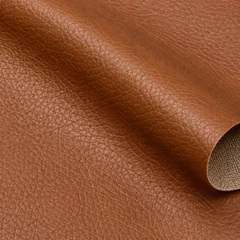
A polymer coating on a backing, with smooth or leather-like textures. Technical outdoor and marine grades exist; specifications differ.
Manufacture · variants
Formulated PVC layers coated/laminated on textile backing, sometimes with foam/protective topcoat. Embossing adds grain/texture. A composite covering.
How colour is added
Pigments in coating formulation; also printing/effect finishes. Pigmenting PVC is not dyeing backing yarn and does not prove UV resistance.
Applications
Chairs/stools with controlled cleaning. Outdoor/marine need specific grades; check flexing, UV and approved cleaners.
Care and selection
Check composition, abrasion resistance, colourfastness and cleaning for the selected fabric. Outdoor suitability depends on the specific fabric, not just its name.
Images present texture combinations. Appearance does not establish composition, resistance or availability.
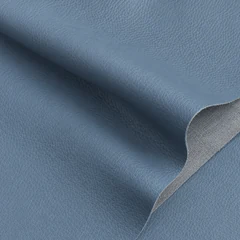
A coating on a textile backing in different feels and finishes. Check hydrolysis resistance, cleaning and application; appearance does not establish performance.
Manufacture · variants
PU layers on textile backing by direct coating, transfer or lamination depending on maker. Formulation, backing and embossing affect feel/performance.
How colour is added
Pigments in PU layers, printing or surface finishing. Not yarn dyeing; compare colour stability and hydrolysis resistance of the complete grade.
Applications
Indoor upholstery, chairs and headboards. Outdoors/damp zones only with maker approval; check hydrolysis and cleaning.
Care and selection
Check composition, abrasion resistance, colourfastness and cleaning for the selected fabric. Outdoor suitability depends on the specific fabric, not just its name.
Codes identify fibres or coatings; blend compositions and percentages vary. Velvet, bouclé, chenille, jacquard, microfibre and technical mesh do not define one fibre: check the selected composition. rPET identifies recycled PET, not a fibre distinct from polyester (PES).
Guides to help you chooseComposition, performance and ways of colouring fabric.+
Choose with knowledge
More than a beautiful colour.
Composition, performance and ways of colouring fabric.
01
Fibre or construction?
+
Composition
Cotton, linen, wool, acrylic, olefin and blends identify fibres.
Construction
Bouclé, velvet, chenille and jacquard describe yarns, surfaces or weaving methods.
02
Repellent or waterproof?
+
Repellency
Helps water run off the surface within the finish’s conditions.
Waterproofing
A specific system property. Seams, installation and maintenance matter too.
03
Does weight mean quality?
+
g/m²
Mass per area, not a measure of comfort or lifespan.
Abrasion and light
Compare tests, colourfastness and care. Abrasion testing alone does not predict service life.
04
How does colour reach the fabric?
+
Before fibre formation
Colour enters polymer/solution before fibre formation. Does not alone guarantee every outdoor property.
Fibre dyeing
Formed fibres are dyed before spinning. Coloured fibres can be mixed for heather effects.
Yarn dyeing
Yarn is dyed before weaving/knitting, allowing different coloured yarns in one fabric.
Piece dyeing
Already woven/knitted fabric is dyed. “Piece” here means fabric, not necessarily a sewn finished cover.
Printing
Design applied digitally or conventionally with pigments/dyes. Sublimation is an option for compatible substrates, especially polyester.
#218Concept
Shall we choose together?
Fibres and constructions are different things. Compare feel, composition, care and the selected fabric’s performance.
Composition, colour, pattern, feel and use conditions are confirmed with selected references and samples. Images present texture combinations. Appearance does not establish composition, resistance or availability.
 Fibres and blends